
Molding Studio / Installation resources
Measuring Layout
Installation series
On this page
Good layout prevents “surprises” at corners and helps you minimize visible seams.
Measure your runs
- Measure each wall/run where moulding will be installed.
- Add the lengths to get total linear feet.
- Add extra for waste:
- ~10% for typical installs
- 15%+ for many corners, returns, complex layouts, or pattern matching
If you’re ordering for a large project, request a quote and include estimated linear feet:
Request a quote
Plan corners and seams
Before cutting, decide where seams will land:
- Try to place seams in less noticeable locations.
- When possible, avoid stacking multiple seams near the same visual focal point.
- For long straight runs, consider using angled/scarf joints (instead of straight butt joints) to help seams disappear after finishing.
Mark reference lines
Use a level/laser and chalk line to mark:
- Run height / top and bottom edges
- Reveals and offsets
- Corner points
- Joint locations
Dry-fit everything
Before applying adhesive:
- Place pieces in position and confirm fit.
- Check corners for tightness and alignment.
- Verify straightness across long runs.
- Label pieces (A, B, C…) so you can install in the same order you dry-fit.
Dry-fitting saves time and prevents rushed fixes while adhesive is curing.
Continue your project
Products for this project
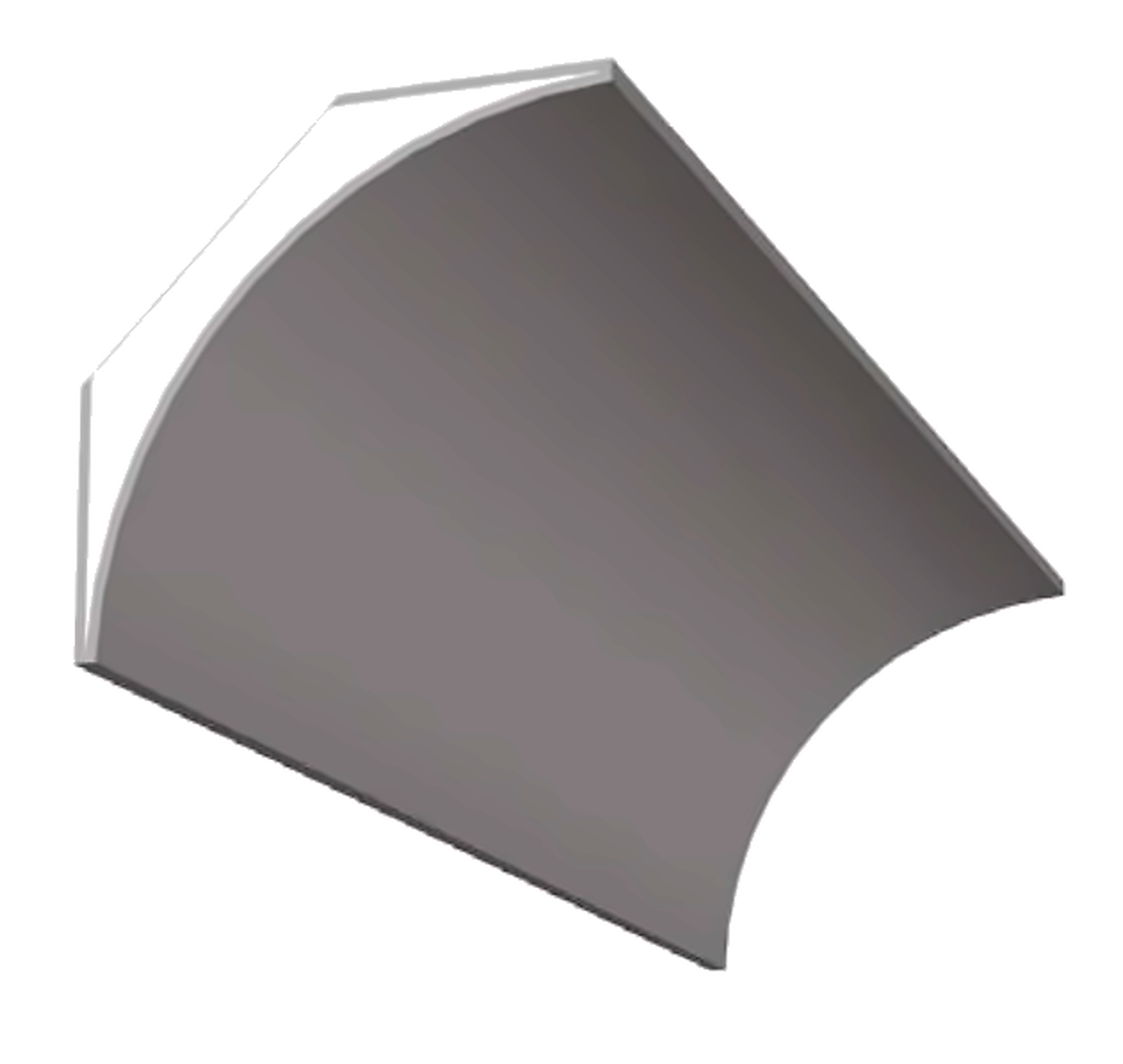 Made to order
Interior Coves
SKU CV001 + 1 options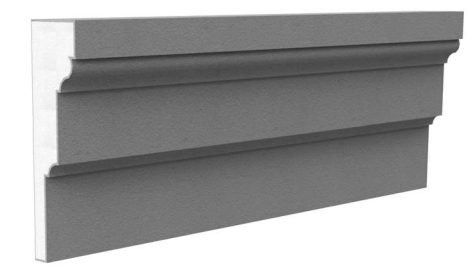 Made to order
Exterior Cornice Molding 3 1/2" x 12 3/4"
SKU CR012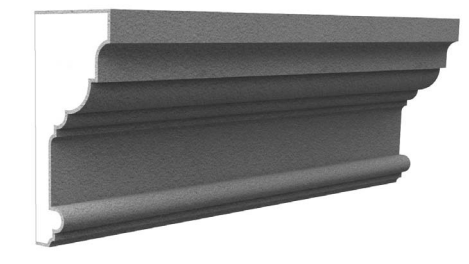 Made to order
Exterior Cornice Molding 3 1/2" x 8"
SKU CR013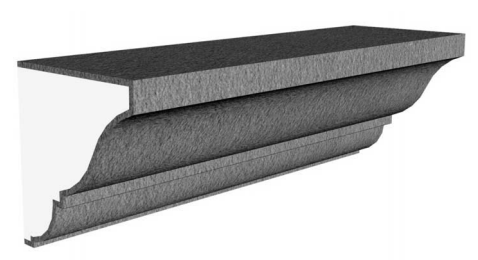 Made to order
Exterior Cornice Molding 3 3/4" x 4"
SKU CR011Estimate your quantity
Estimate with Interior Coves, a profile with a listed 96″ piece length. Confirm your cut list before ordering.
Estimate how many pieces you need
Corners, profile matching and layout can change what you need, so we'll double-check on your quote.